
Describe the property
Send the location, symptoms, equipment and access details. State whether the work is a repair, replacement or planned project.
Need duct cleaning in Strathroy? Tell us which air ducts, dryer vent or ventilation equipment need attention. A responding provider will confirm coverage and availability before booking.
Get A Free QuoteFor a Strathroy home, ask whether the scope covers supply and return branches and how negative pressure and brushing will capture loosened debris. Request clear documentation of accessible sections.
View scopeScope the complete route from dryer outlet to exterior hood, including any long concealed sections or elbows. Ask how the vent and airflow will be checked after lint removal.
View scopeAn equipment-specific assessment can determine whether the blower assembly or accessible evaporator coil needs cleaning. Share the model and ask how sensitive components will be protected.
View scopeFor homes with an HRV, bathroom exhaust, or range hood, confirm which cores, screens, condensate paths, and duct runs are accessible and included.
View scopeIf smoke, pet, pest, or musty odours persist, identify their source first. Ask whether affected duct surfaces can be cleaned and review any proposed product label and application.
View scopeDocument suspected leaks, detached connections, and crushed sections. Ask how the affected supply or return duct will be inspected and whether sealing, reattachment, or replacement fits the findings.
View scopeFor Strathroy commercial spaces, share system details, rooftop-unit or make-up-air information, and access constraints. Agree on scheduling, scope, and documentation before work is planned.
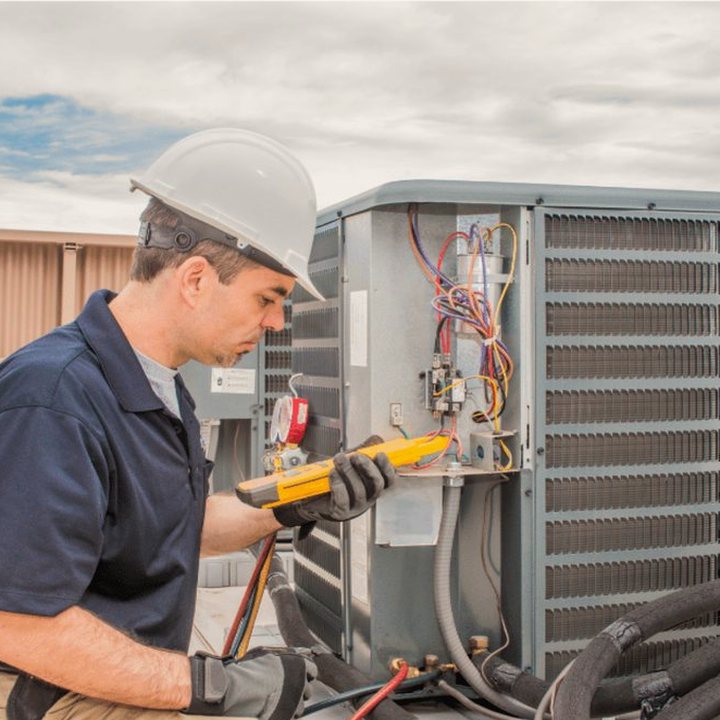
View scopeCommercial ventilation systems vary widely, so a useful scope starts with the building, equipment, and access rather than a generic per-vent description. For a Strathroy office, retail space, daycare, or workshop, record the system type, operating schedule, rooftop-unit locations, and any make-up air equipment. Ask how the work will be coordinated with occupants and what documentation will be supplied. Photos of equipment labels and accessible duct routes can help establish whether the job involves long runs, restricted access, or separate systems that need individual planning.
For a Strathroy home, ask whether the scope covers supply and return branches and how negative pressure and brushing will capture loosened debris. Request clear documentation of accessible sections. Scope the complete route from dryer outlet to exterior hood, including any long concealed sections or elbows. Ask how the vent and airflow will be checked after lint removal. An equipment-specific assessment can determine whether the blower assembly or accessible evaporator coil needs cleaning. Share the model and ask how sensitive components will be protected.
For homes with an HRV, bathroom exhaust, or range hood, confirm which cores, screens, condensate paths, and duct runs are accessible and included. If smoke, pet, pest, or musty odours persist, identify their source first. Ask whether affected duct surfaces can be cleaned and review any proposed product label and application.
Document suspected leaks, detached connections, and crushed sections. Ask how the affected supply or return duct will be inspected and whether sealing, reattachment, or replacement fits the findings. For Strathroy commercial spaces, share system details, rooftop-unit or make-up-air information, and access constraints. Agree on scheduling, scope, and documentation before work is planned.
Long drying times, lint near the dryer connection, or a damaged exterior hood can justify checking the complete exhaust route. For a home in Strathroy, the vent may run a short distance or travel through several elbows to an exterior termination; that layout changes the access and cleaning scope. Ask whether the proposed work follows the entire run from the appliance to the hood, and how airflow will be checked afterward. Photos of the route and hood can help clarify restrictions or repairs to consider.
Explore this serviceSend the location, symptoms, equipment and access details. State whether the work is a repair, replacement or planned project.
The request is reviewed so the responding provider can clarify the work, property access and service coverage.
Agree the provider identity, qualifications, written scope, pricing and visit window directly. Sending a form does not confirm an appointment.
If a return duct runs through a dusty basement or crawl space, check for gaps that could draw surrounding material into the system. Return-side leaks differ from supply leaks, which can lose conditioned air outward. Ask which side is affected and how a proposed seal will be applied; the location and surrounding materials determine a suitable repair.
If the building includes rooftop units, make-up air equipment, or long commercial duct runs, share equipment labels, plans, and access details for review. Those systems can require different methods and planning than residential ductwork. Ask for the whole proposed scope and how it is priced before scheduling; confirmed system size and access determine what work is included.
If a home has recently undergone renovation, has exposed duct openings, or is near activities that introduce dust, note those circumstances when discussing the job. They may affect which sections deserve inspection and whether cleaning is suitable. Avoid assuming that a regional or seasonal condition explains household dust; identify the specific source and check filters and system maintenance too.
Lint is combustible, so buildup in the exhaust path deserves attention. Check for lint at the appliance connection and exterior hood, and note any unusual restriction or damage. Cleaning can remove accumulated lint, but it does not guarantee that fire risk is eliminated; keep the vent maintained and follow the dryer manufacturer's instructions.
If the home has an HRV, check its manual for core removal and cleaning instructions before work is planned. Ask whether the core, screens, and condensate paths are included and accessible. Their design varies by unit, and blocked drainage or a damaged core may need more than cleaning. A photo of the model label can help establish the correct scope.
Use the form to describe the property, the symptoms and the work requested. For Mount Brydges, Komoka, Melbourne, Glencoe, include your postal code so local coverage can be checked.